
Welcome to Muskoka Log Home Care
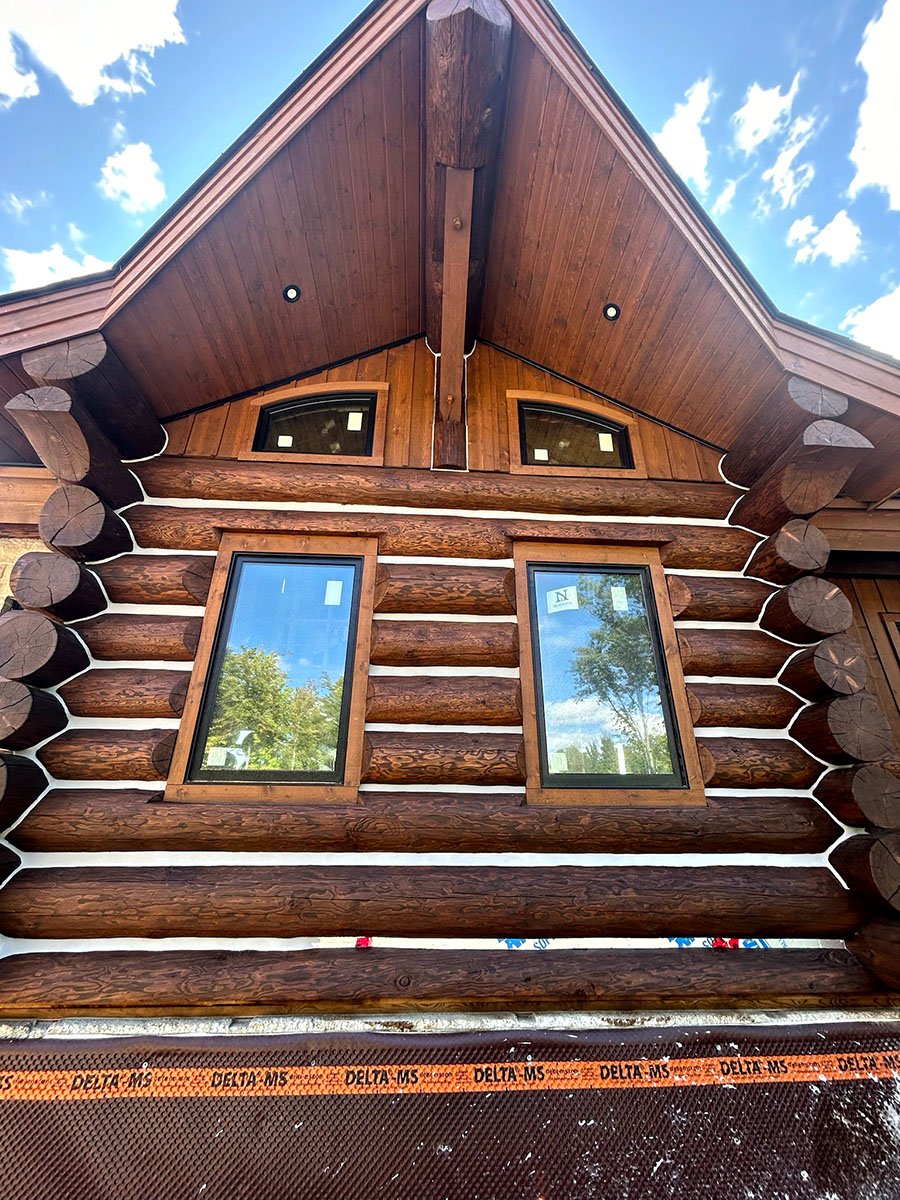
Welcome to Muskoka Log Home Care, your local resource for maintaining and protecting log homes in the Muskoka area. Proper care helps preserve the wood, prevent moisture damage, and keep your home looking its best through every season. Whether your property needs routine maintenance, surface care, or attention to weather-related wear, the right service can protect its structure and appearance. Muskoka Log Home Care focuses on practical solutions that help log-home owners care for their investment with confidence.
- About Muskoka Log Home Care
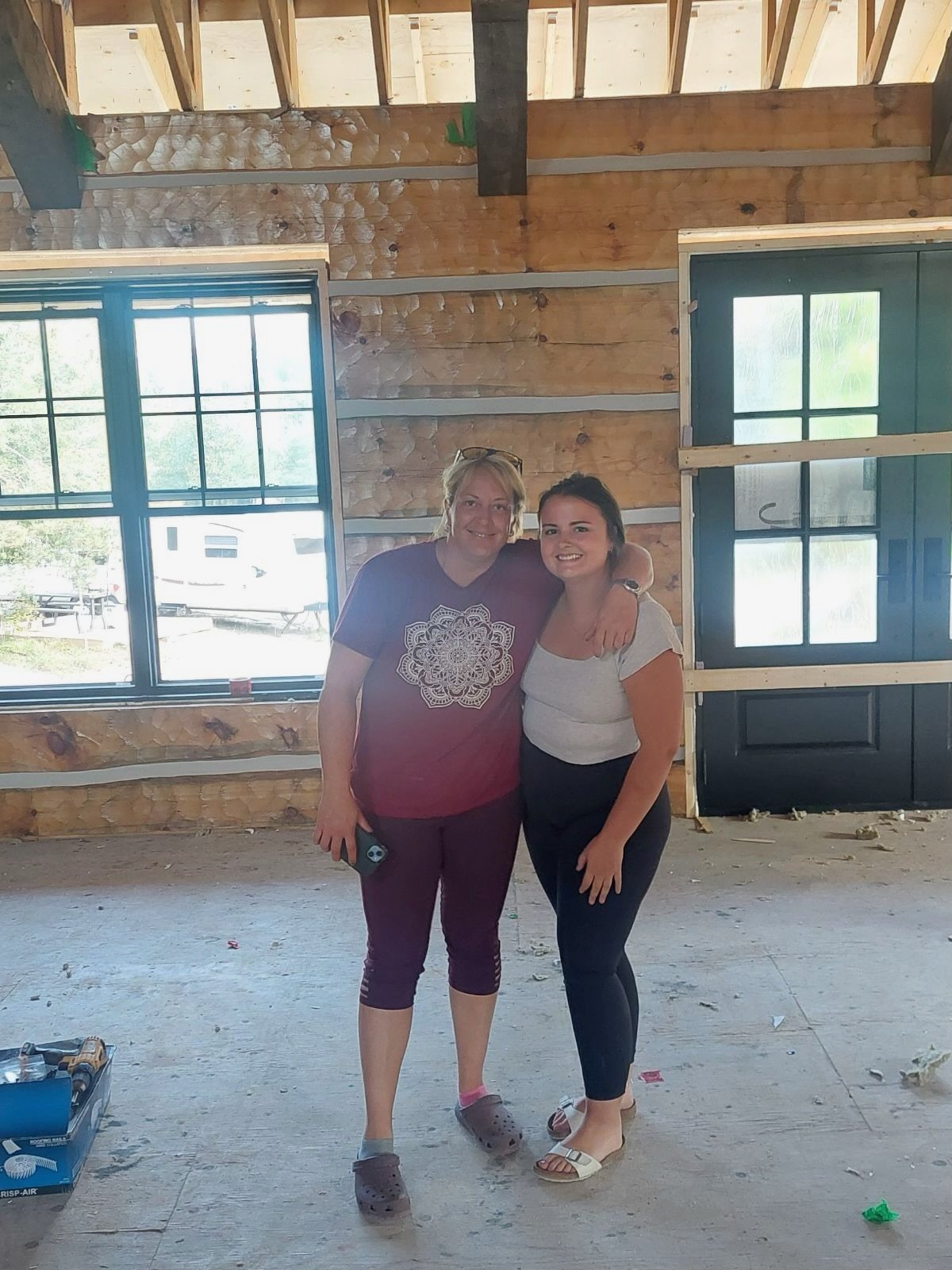
I’ve always been an artist, and I’ve always needed a way to express that side of myself through my work. About 15 years ago, I started working with a restoration company, where I learned the trade and built real hands-on experience. With help from my employer, I opened my own company and took the next step on my own.
Our Mission
Muskoka Log Home Care's mission is to help homeowners protect the beauty, structure, and long-term value of their log homes.
What Sets Us Apart
We focus on careful inspections, dependable maintenance, and skilled restoration suited to Muskoka's changing weather conditions. We identify issues early, including moisture damage, fading finishes, cracks, and areas that need sealing. By combining practical advice with quality workmanship, Muskoka Log Home Care supports homeowners in keeping their properties safe, attractive, and well maintained for years to come.
Awards
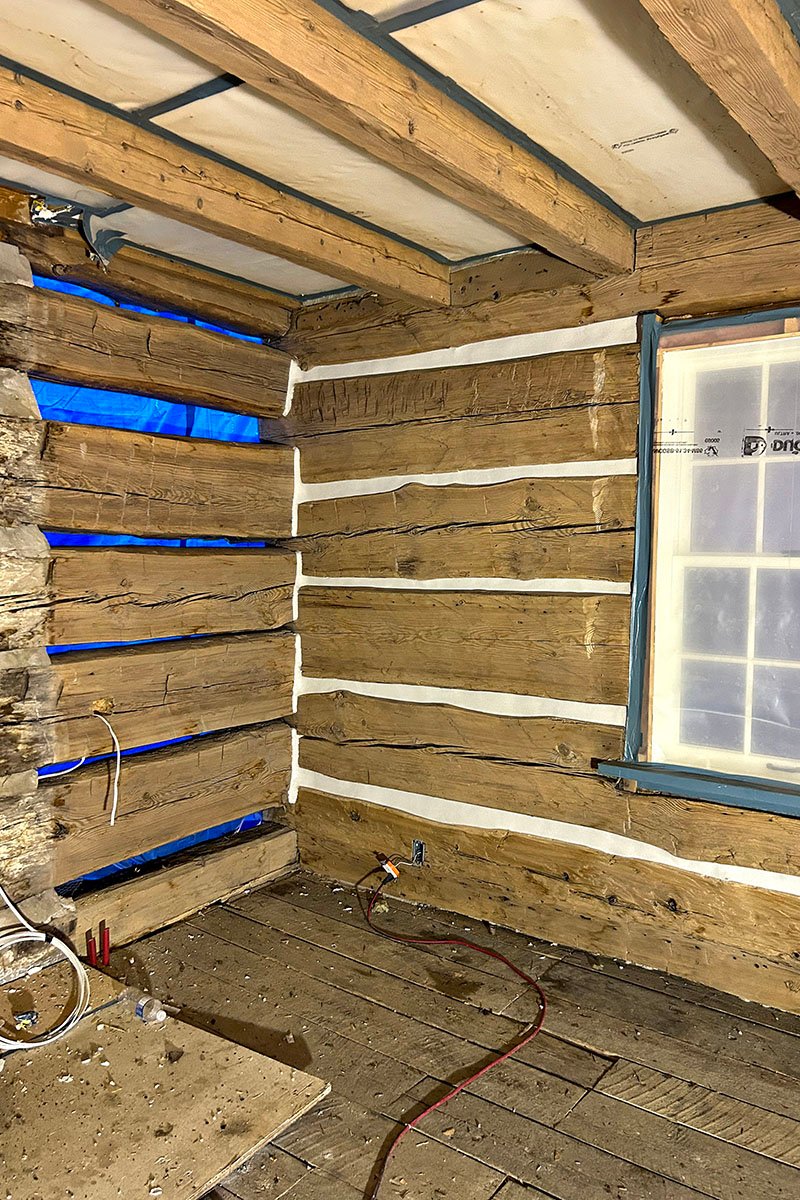
Muskoka Log Home Care placed third in Sashco’s North American chinking contest, a strong result in a competitive field.

When each step is done in the right order, the finish lasts longer and the whole property looks sharp again.
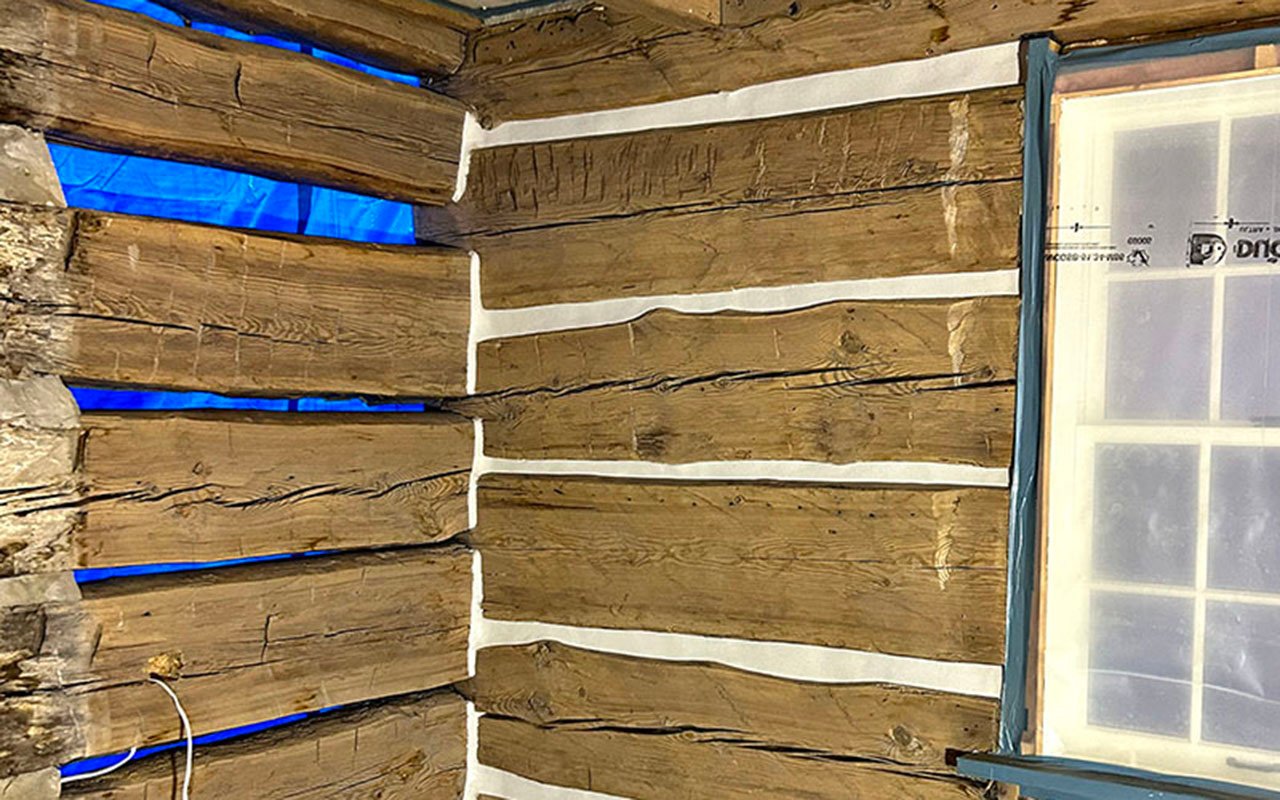
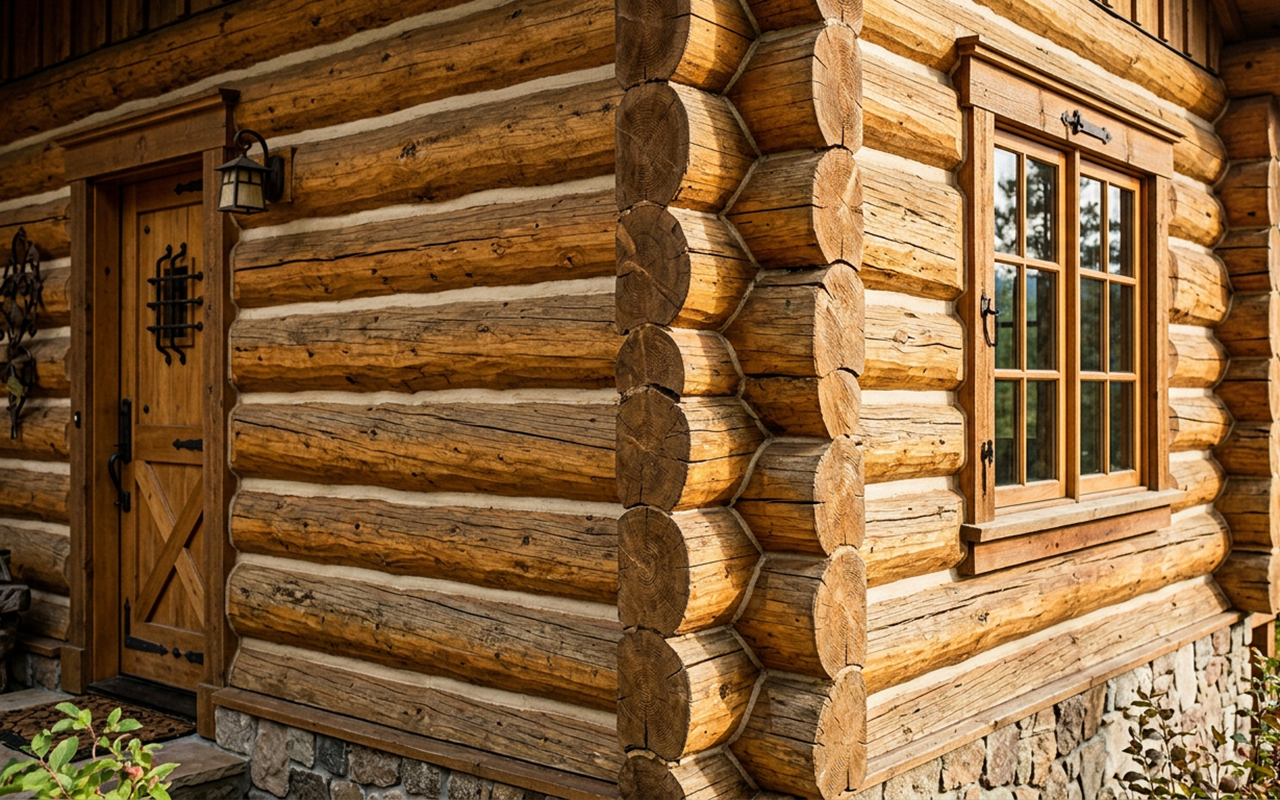
Keeps interior and exterior log walls sealed, blocks drafts, and helps the structure move without opening gaps.

Protect wood from sun, moisture, and wear, while also giving the home a clean, even finish.
Matters on trim, corners, and joints because missed spots show fast and can shorten the life of the finish.
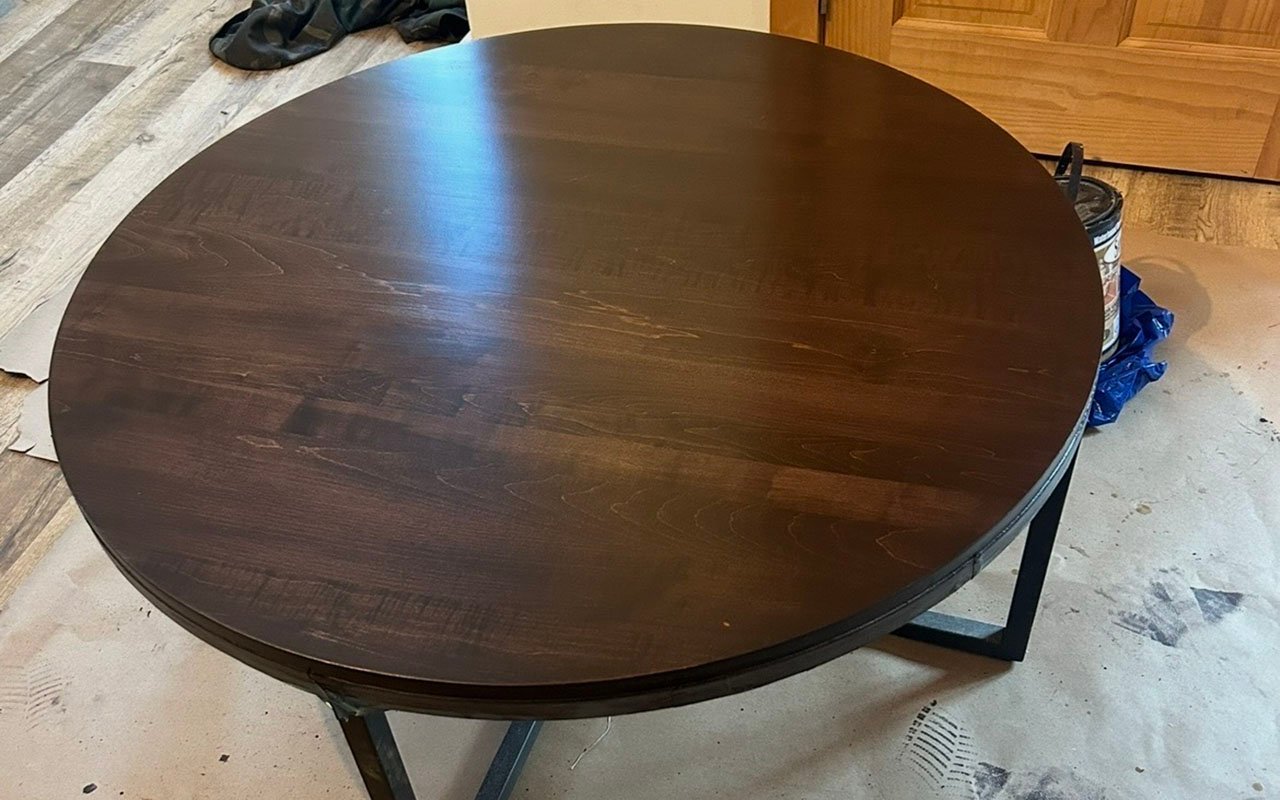
Repair and refinishing can fix loose joints, worn edges, scratches, dull finish and restore favourite pieces.
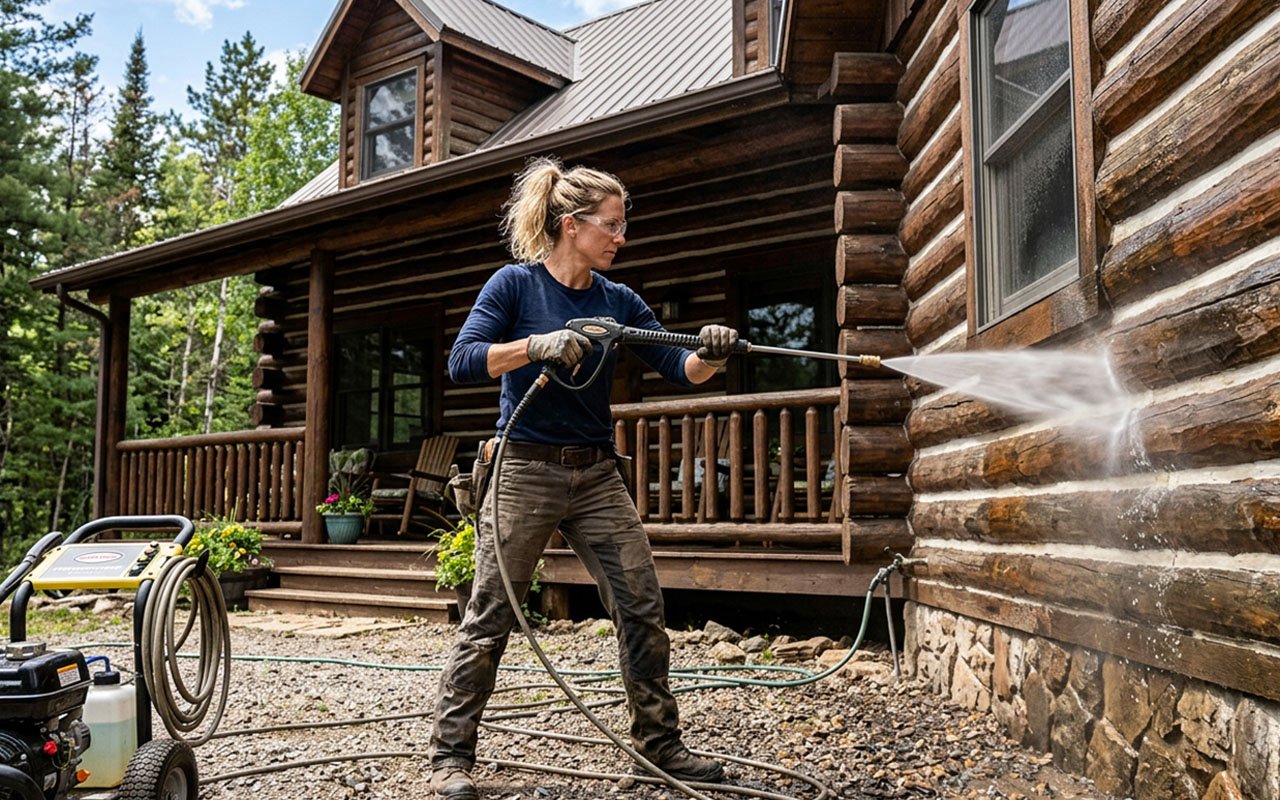
Clears off loose dirt and old residue, and media blasting gives a stronger prep on stubborn surfaces.
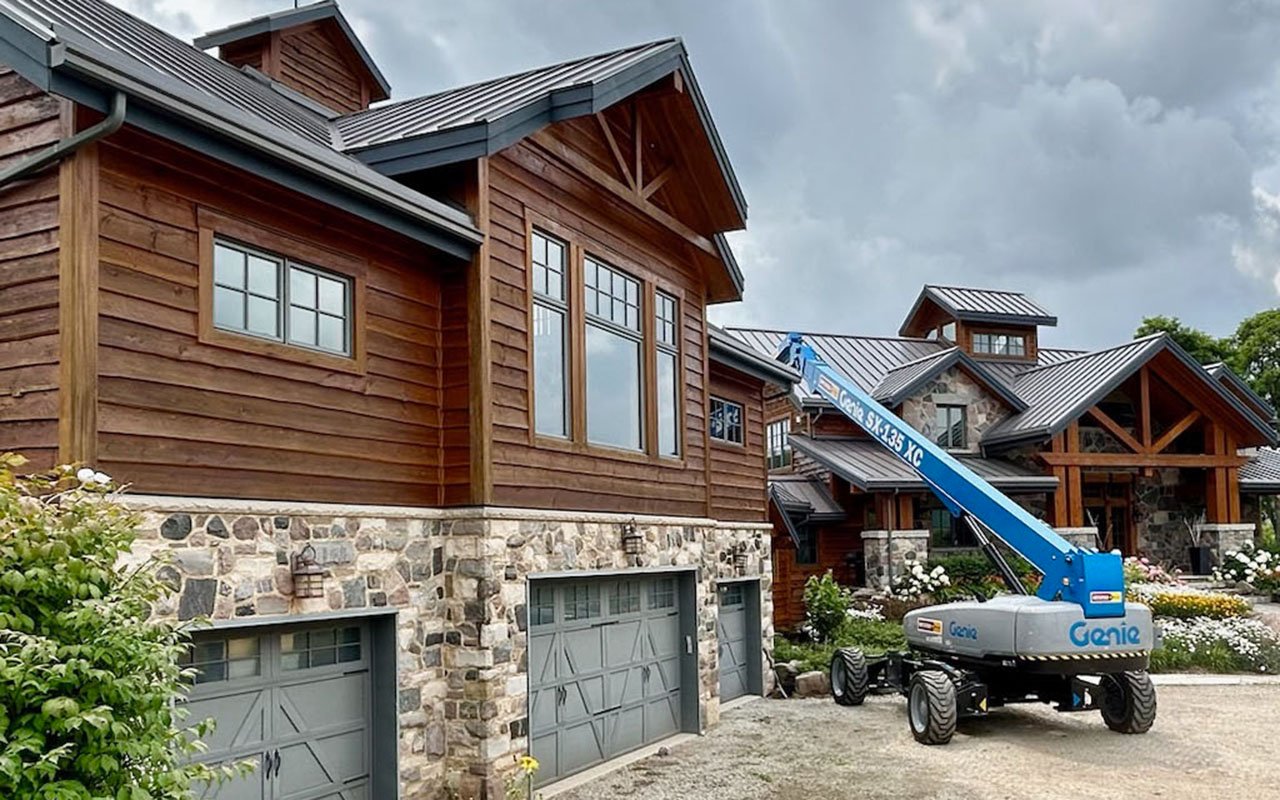
With a sister company can give a job site one crew for surface prep and another for follow-up work.
Get In Touch
- Rave Reviews
- Frequently Asked Questions
A maintenance coat is generally recommended every 3 to 5 years, depending on your home’s exposure to the elements. South and west-facing walls take the most sun and will require more frequent attention than north and east walls.
Perform a quick water absorption test: throw a cup of water on the log surface. If the wood immediately absorbs the water rather than beading it up, or if you notice graying or fading, it is time to reseal
Checks (natural cracks) are part of the wood’s drying process and should not be filled unless they face upward, which can trap water and lead to rot. If they allow drafts or rain into door and window frames, fill them with specialized log caulking.
Vegetation & Moisture: Keep all bushes, trees, and tall grasses trimmed at least 18 inches away from your exterior log walls. Good air circulation is essential for keeping logs dry.
Pests: Wood-eating insects like carpenter bees and termites are effectively deterred by pre-treating logs with borate solutions. Routinely inspect for mud tubes (termites) or small piles of sawdust (carpenter ants).
Log home restoration is generally considered to be the work required due to (1) finding a significant amount of rot in logs, requiring log replacements, and/or (2) the failure of one or more products used to protect a log home, such as stain, chink, and caulk, due to either (a) maintenance not being done correctly or in a timely manner, or (b) time and the elements eventually causing the need for restoration of the logs. Whether due to rotten logs or failure of log products, restoration normally includes removing all of the stain and other protective log products from the logs down to bare wood, and starting the protection process over. The typical restoration work steps include replacing rotten logs, if needed; removing stain and other log products down to bare wood; lightly sanding logs if desired; cleaning and prepping the logs; applying borate-based preservative to the logs; applying a primer if desired; applying caulking as needed; applying stain; applying chinking as needed; applying a clear topcoat (if used with the chosen stain); and applying a log end sealer, as needed, to log ends exposed to the weather.
We recommend cleaning the exterior surface of log homes at least annually. During the cleaning process, homeowners should inspect the logs for signs of rot or other areas of concern. We recommend performing the annual inspection in the spring so that any needed work can be done soon after the inspection. Putting off needed maintenance can turn a minor problem into a major one requiring significant repairs and costs.